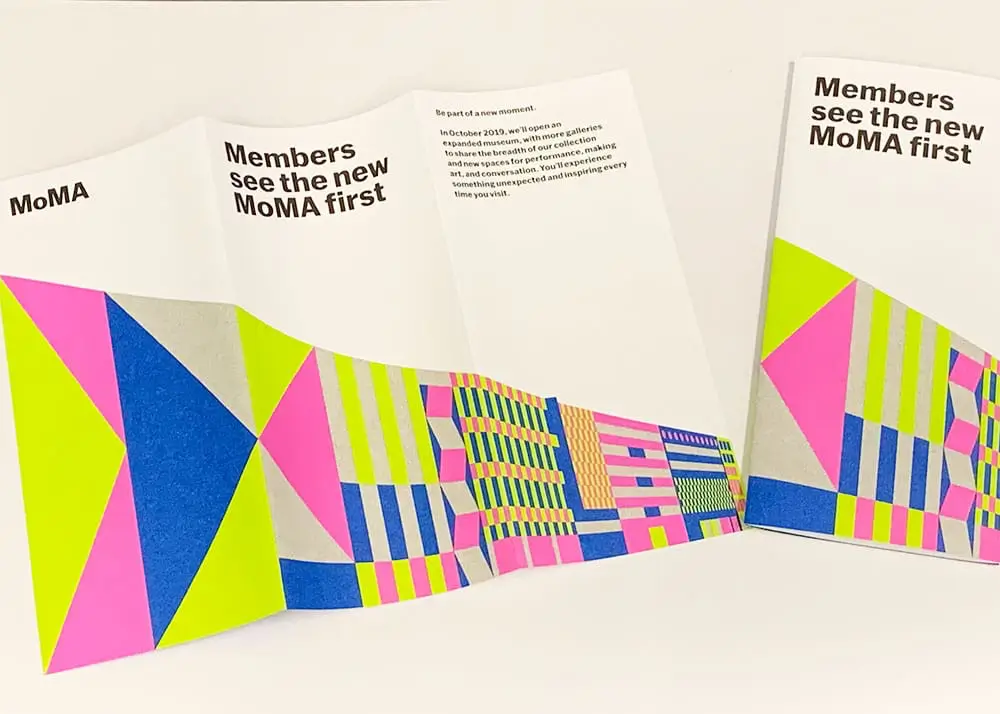
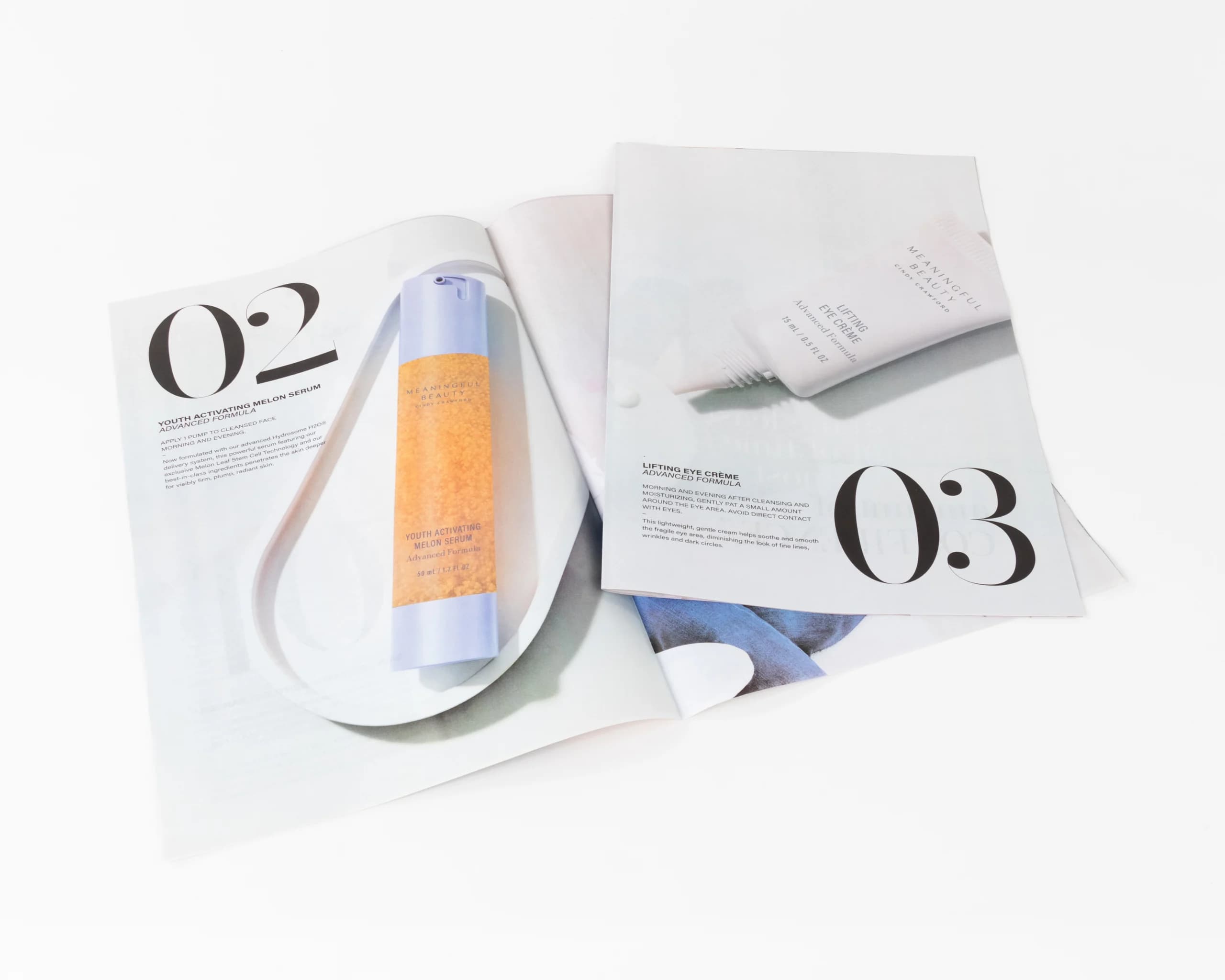
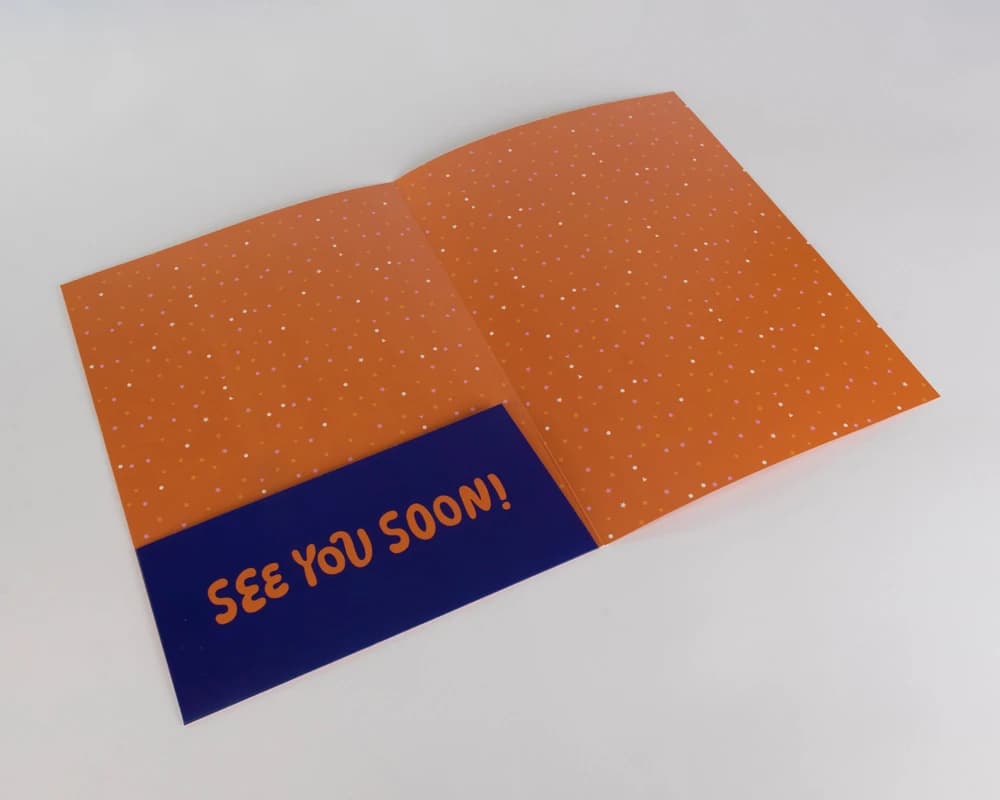
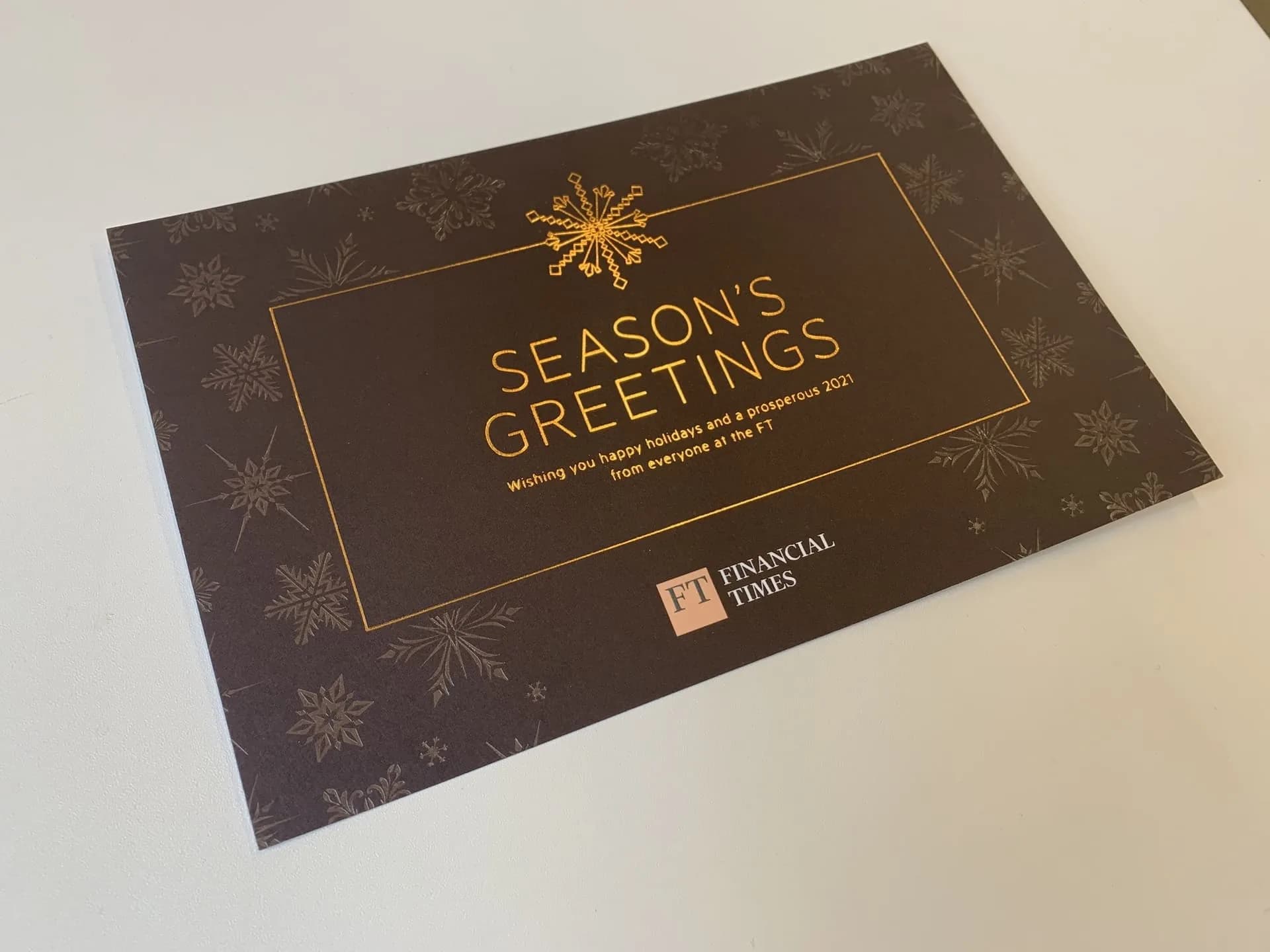
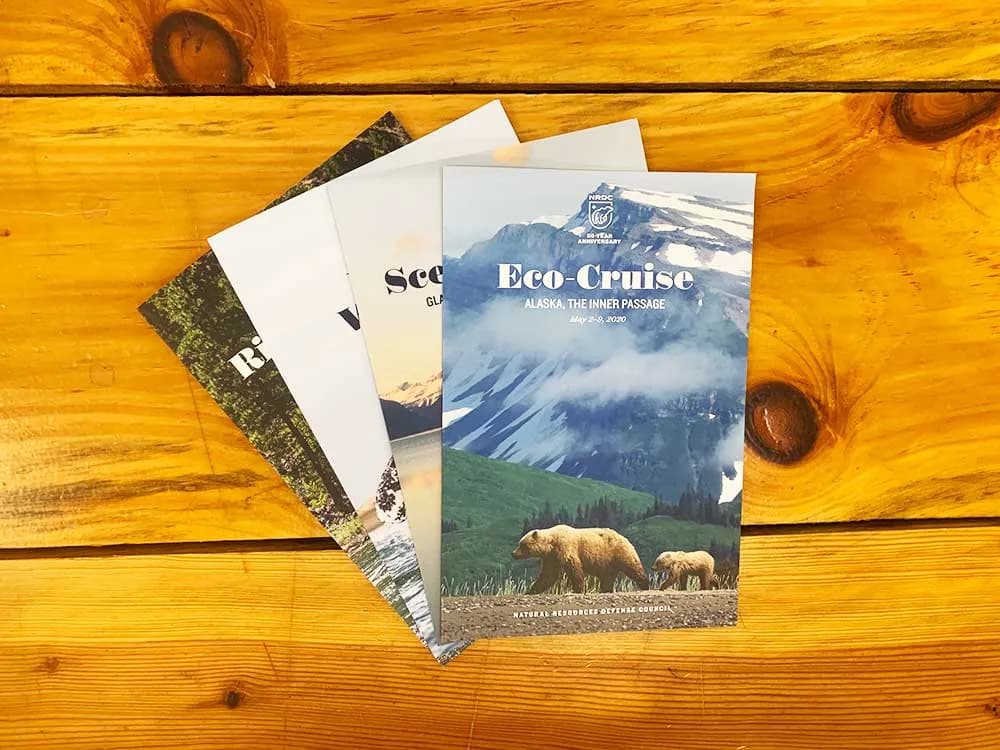
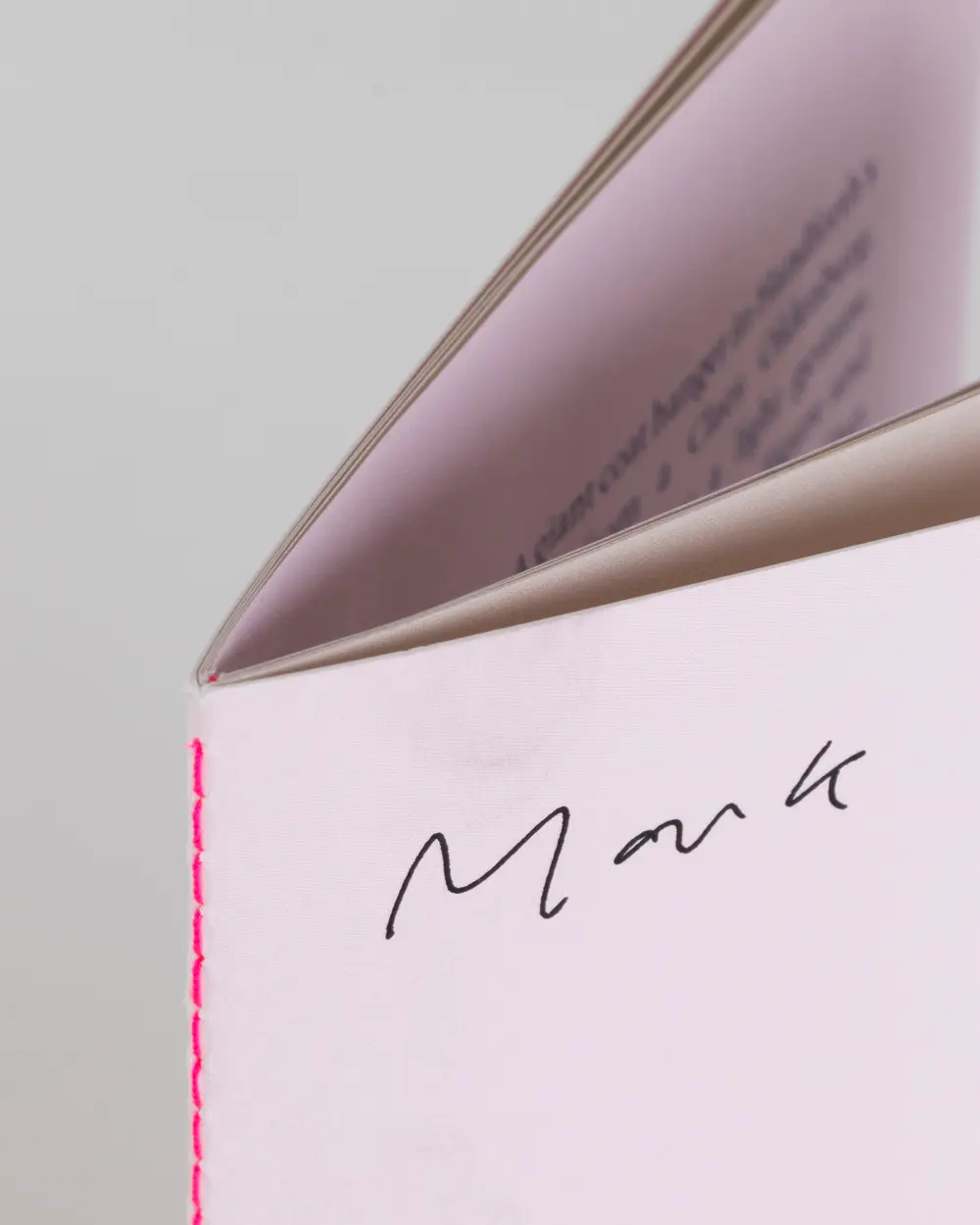
Why coating and finishing choices matter
Coating and finishing are easy to treat as final details, but they can change the look, feel, durability, timeline, and cost of a print project. The right choice can make a catalog cover resist scuffing, help a brochure feel more polished, add contrast to photography, protect a mailed piece, or give a presentation folder a stronger first impression.
Coating usually refers to a surface treatment applied to paper or ink to change sheen, protection, drying, or feel. Finishing is the broader set of post-print production steps that can include trimming, folding, binding, lamination, foil stamping, embossing, die cutting, drilling, scoring, and more. Some options happen inline on press, while others require separate equipment and schedule time after printing.
Because these decisions affect paper choice, file setup, proofing, and production order, they should be discussed before artwork is locked. A finish that looks simple on screen can need a separate file layer, die, plate, score, or tolerance allowance in production.
Common coating options
Coatings change the surface of the printed sheet. They can make colors look richer, reduce fingerprints, protect heavy ink coverage, or create a more tactile experience.
- Gloss coating. Gloss creates shine and can make photos and saturated color feel sharper. It is common on catalogs, magazines, postcards, and promotional covers, but it can show fingerprints and glare under bright light.
- Matte coating. Matte reduces reflection and gives the sheet a quieter, more refined appearance. It is often useful for lookbooks, reports, journals, and pieces where readability matters.
- Satin coating. Satin sits between gloss and matte. It adds some richness without the high reflection of gloss, which makes it a practical middle ground for many brand pieces.
- Aqueous coating. Aqueous coating, often called AQ, is a fast-drying water-based coating used to protect printed sheets. It can be gloss, matte, satin, or soft-touch depending on the project.
- Varnish. Varnish is a liquid coating that can be applied overall or in specific areas. Spot varnish can highlight a logo, photograph, title, or pattern while leaving the rest of the sheet more subdued.
- UV coating. UV coating cures under ultraviolet light and can create strong gloss, added protection, or a raised spot effect. It is often used when a piece needs a more dramatic contrast.
Paper choice affects every coating decision
Uncoated paper has a natural feel and accepts writing well, but color can appear softer because ink absorbs into the sheet. Coated paper usually holds sharper detail and stronger color, but it can feel less tactile depending on the finish. Textured papers can add character, but they may not hold fine coating or foil detail as cleanly as smoother stocks.
Paper weight also matters. A heavy cover may need scoring before folding so the surface does not crack. A light text sheet may not need lamination, while a frequently handled cover might benefit from extra protection. Always choose the paper and finish together rather than treating them as separate decisions.
Finishes that add protection
Some finishes are primarily practical. They help printed pieces survive handling, shipping, binding, mailing, or repeated use.
- Lamination. Lamination bonds a thin film to the sheet. It can be gloss, matte, or soft-touch, and it is often used on book covers, presentation folders, menus, cards, and pieces that need more durability.
- Scoring. Scoring creates a controlled crease before folding. It is important for heavier stocks, folded cards, folders, and covers because it helps prevent cracking along the fold.
- Perforation. Perforation adds a tear-off line for coupons, tickets, response cards, forms, or removable inserts.
- Drilling and corner rounding. These practical finishes can make tags, manuals, cards, and handouts easier to use or safer to handle.
Finishes that add visual impact
Other finishes are used to create a premium focal point. They work best when the design gives the finish enough room to be noticed.
- Foil stamping. Foil uses heat, pressure, a die, and metallic or pigment foil to add shine or color to a defined area. It is strong for logos, titles, borders, invitations, folders, and packaging.
- Embossing and debossing. Embossing raises part of the sheet, while debossing presses it down. Both add texture and can pair with foil or spot UV when planned carefully.
- Die cutting. Die cutting creates a custom shape, window, tab, or edge. It can make packaging, hang tags, invitations, and promotional pieces feel more distinctive.
- Spot UV or spot varnish. These finishes can highlight selected artwork while the rest of the surface stays matte or uncoated.
How coating and finishing affect file setup
Special finishes often need production art in addition to the main print file. A foil, spot UV, emboss, deboss, or die line should usually be supplied as a separate vector layer or separate PDF page. The shape should be solid, clearly named, and aligned to the print artwork.
Keep tiny type, hairlines, and detailed textures out of special-finish layers unless the printer confirms they will hold. Registration tolerances also matter. If foil or spot UV must line up perfectly with printed ink, a small shift may be visible, so the art should be designed with realistic production movement in mind.
Choosing the right finish by product
- Brochures and sell sheets. Matte, satin, or aqueous coatings can protect the piece while keeping text readable.
- Catalogs and magazines. Covers often benefit from coating or lamination, while interiors usually need paper and ink choices that support photography and page count.
- Presentation folders. Lamination, foil stamping, embossing, and die cutting can help folders feel more substantial and brand-specific.
- Business cards and invitations. Foil, soft-touch lamination, embossing, debossing, and thick stocks can make a compact piece feel more memorable.
- Menus, cards, and handled pieces. Lamination or a durable coating can reduce wear when the piece will be touched often.
Quick finish selection matrix
| Goal | Useful options | Production note |
|---|---|---|
| Richer photography | Gloss, satin, coated paper, UV coating | Confirm glare tolerance and proof color on the final stock. |
| Readable premium feel | Matte coating, soft-touch lamination, uncoated or satin stock | Check fingerprinting, scuffing, and how dark solids behave. |
| Durability for handling or mailing | Aqueous coating, lamination, scoring, corner rounding | Plan folds, mail handling, and packing before choosing paper weight. |
| Luxury focal point | Foil stamping, embossing, debossing, spot UV, die cutting | Expect separate finish art, registration tolerance, and added schedule time. |
How finishes affect schedule and pricing
Basic coatings are often the most efficient way to add protection or sheen. Lamination usually adds a separate post-press step. Foil stamping, embossing, debossing, and die cutting can require dies, setup, press checks, and more careful registration. Those steps can be worth it, but they should be quoted before the design is finalized.
If an online product page does not show a finish in the instant-pricing options, treat that finish as a custom quote item. That keeps the order honest: the team can confirm paper compatibility, production sequence, minimums, file requirements, and deadline impact before money is collected.
Questions to answer before quoting
Before choosing a coating or finish, define the job the piece needs to do. Will it be mailed, folded, handled daily, displayed under lights, written on, stored in a bag, or kept as a premium item? Does the finish need to protect the piece, change the feel, highlight one design element, or help the brand stand out?
Useful quote details include finished size, flat size, quantity, paper preference, page count, binding, deadline, mailing or shipping needs, and any finish layers already included in the file. If you are not sure which finish fits, share the design goal instead of guessing at the production method.
Talk through coating and finishing before production
Not every project needs an added coating or special finish. A clean paper choice and strong print file may be enough. When a finish does add value, planning it early protects the schedule and keeps the finished piece intentional.
Thomas Group Printing is a fourth-generation commercial printer in NYC. If you are planning brochures, catalogs, folders, books, cards, or packaging, send us the project details. We can help compare coating and finishing options before the job reaches press.