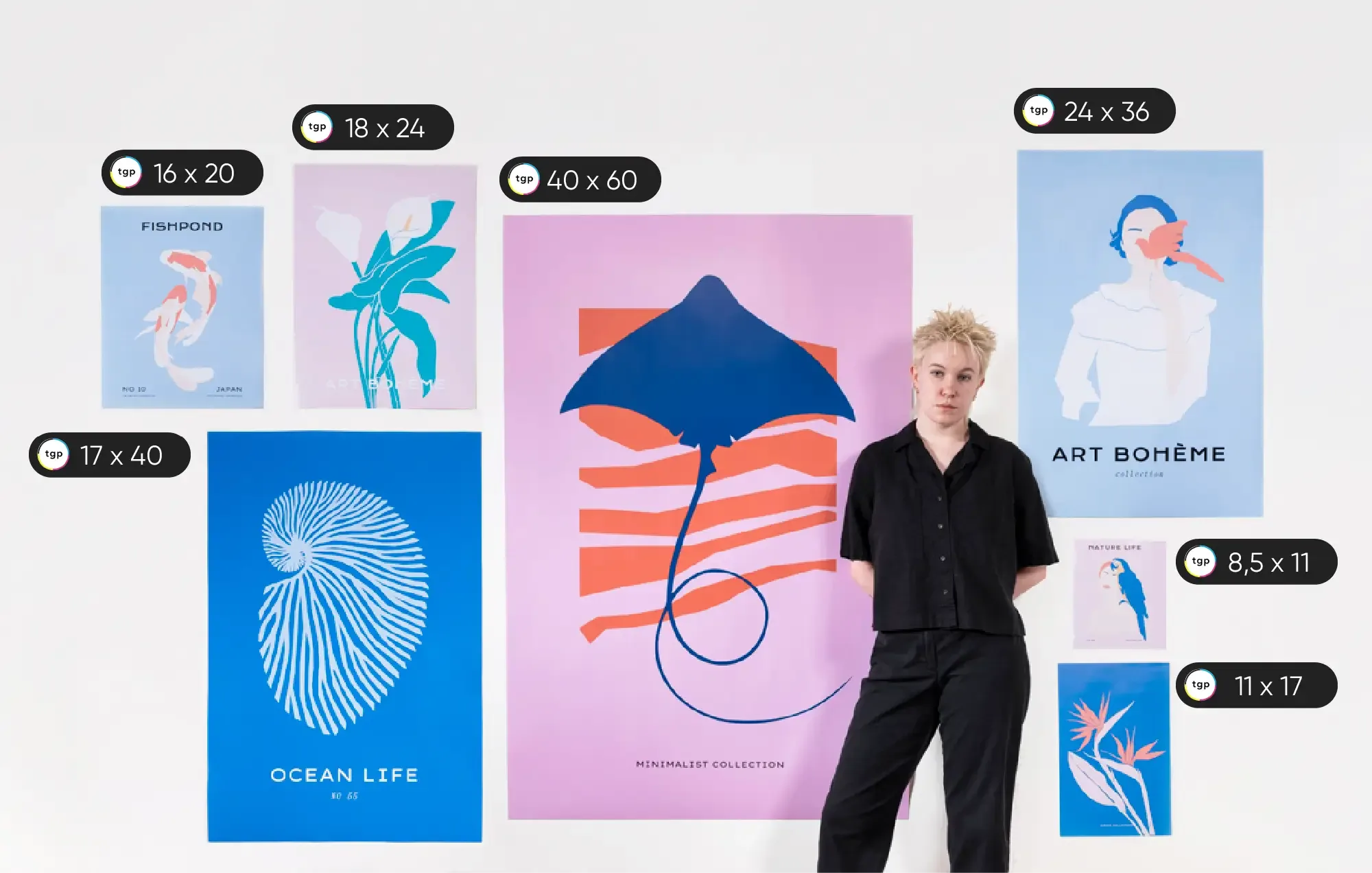
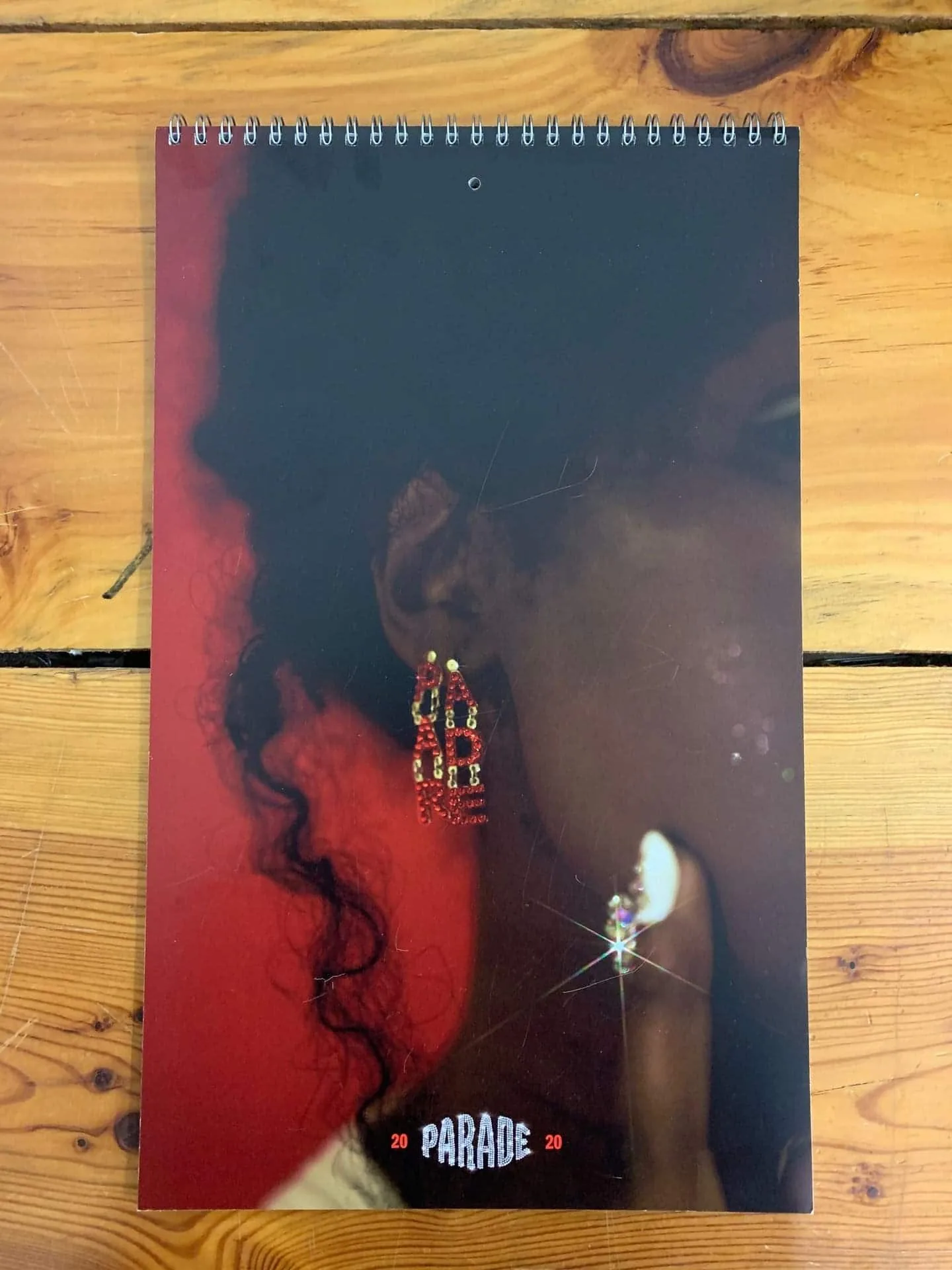
When a standard office print is not enough
Some visual projects need more than a desktop printer or a basic copy-shop output. If the piece has to carry a campaign, fill a storefront window, support an event, or reproduce a photograph with gallery-level detail, the print method matters as much as the file itself.
Large format printing and digital C prints can both produce polished, professional results, but they are built for different use cases. Large format printing is usually the better fit for oversized marketing graphics and durable display pieces. Digital C printing is usually chosen when photographic tone, smooth gradients, and fine image detail matter more than rigid signage or outdoor durability.
What is large format printing?
Large format printing, also called wide-format printing, is used for projects that exceed the normal size range of small digital presses. The output can be mounted, trimmed, grommeted, laminated, or finished for the environment where it will be installed.
Large format printing is commonly used for:
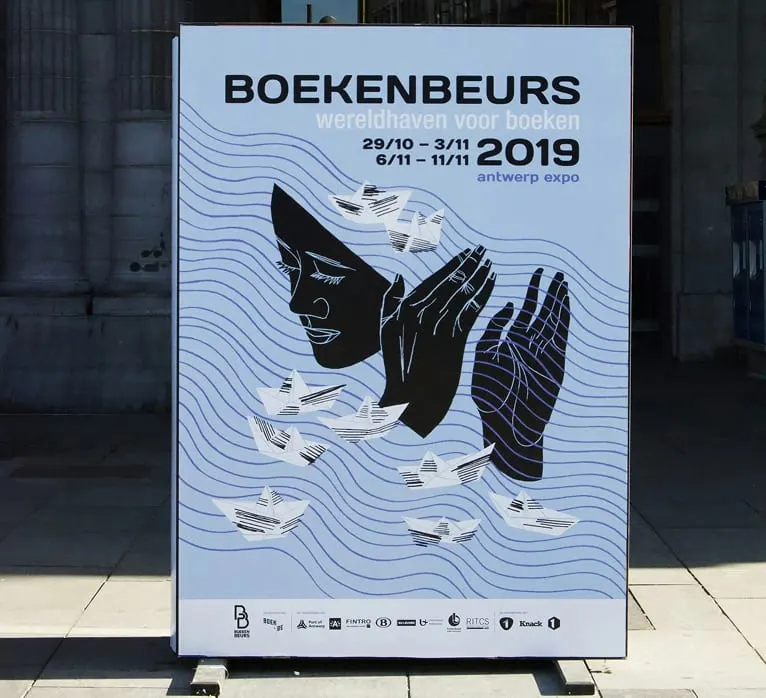
- Posters and event graphics
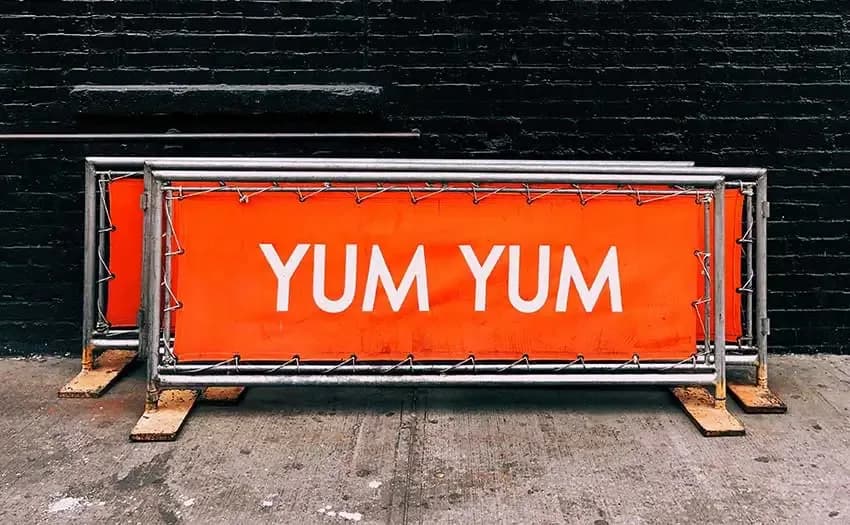
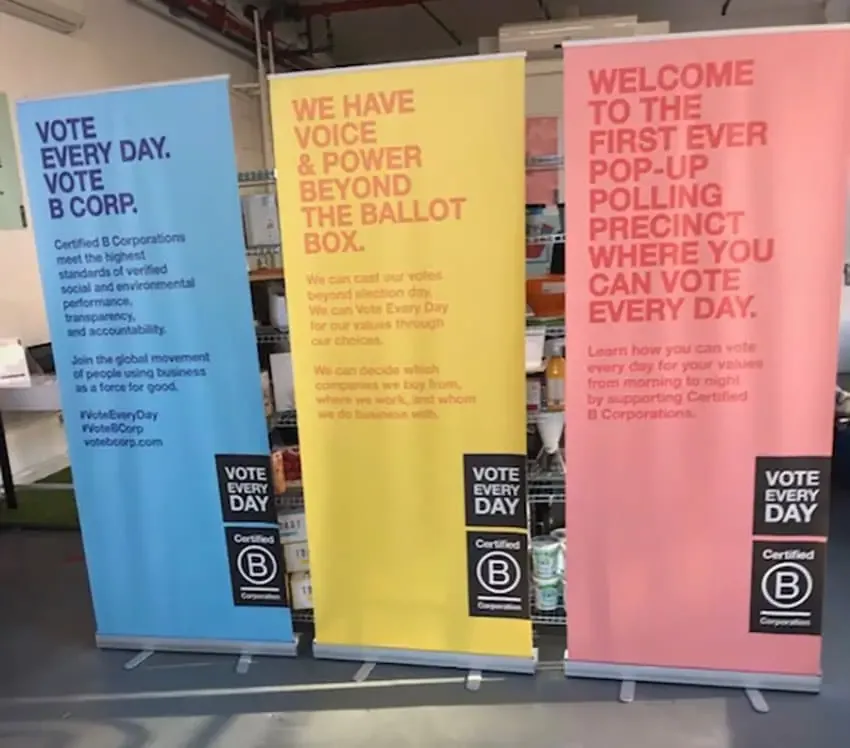
- Horizontal or vertical banners
- Retail signs and display boards
- Window displays and promotional graphics
- Step-and-repeat backdrops
- Trade show and presentation graphics
The main decisions are size, viewing distance, material, mounting, and finish. A piece viewed from across a room can use different assumptions than a close-range photographic display. A temporary indoor poster has different requirements than a mounted sign that has to survive handling, transport, or a public event.
What are digital C prints?
Digital C prints are photographic prints made from a digital file using light-sensitive photographic paper. Instead of ink sitting on top of a display substrate, the image is exposed onto photo paper and chemically processed. The result is a continuous-tone photographic print with smooth color transitions and strong detail.
This method is a strong fit for photography, art reproductions, gallery walls, portfolios, and branded spaces where the image itself is the focus. It is not usually the right first choice for a weather-resistant sign, a vinyl banner, or a piece that needs hardware, grommets, rigid mounting, or heavy event handling.
Large format vs. digital C prints
| Project need | Large format printing | Digital C prints |
| Best for | Posters, banners, signage, backdrops, displays | Photography, gallery prints, art presentation |
| Typical materials | Paper, vinyl, fabric, board, and other display substrates | Photographic paper |
| Finishing options | Mounting, trimming, grommets, lamination, display hardware | Photo finishing, framing, mounting after print |
| Durability focus | Handling, installation, event use, and display environment | Image quality and tonal smoothness |
| Best question to ask | Where will this be installed and how big does it need to be? | How faithful does the photo reproduction need to be? |
Materials and finishes to compare
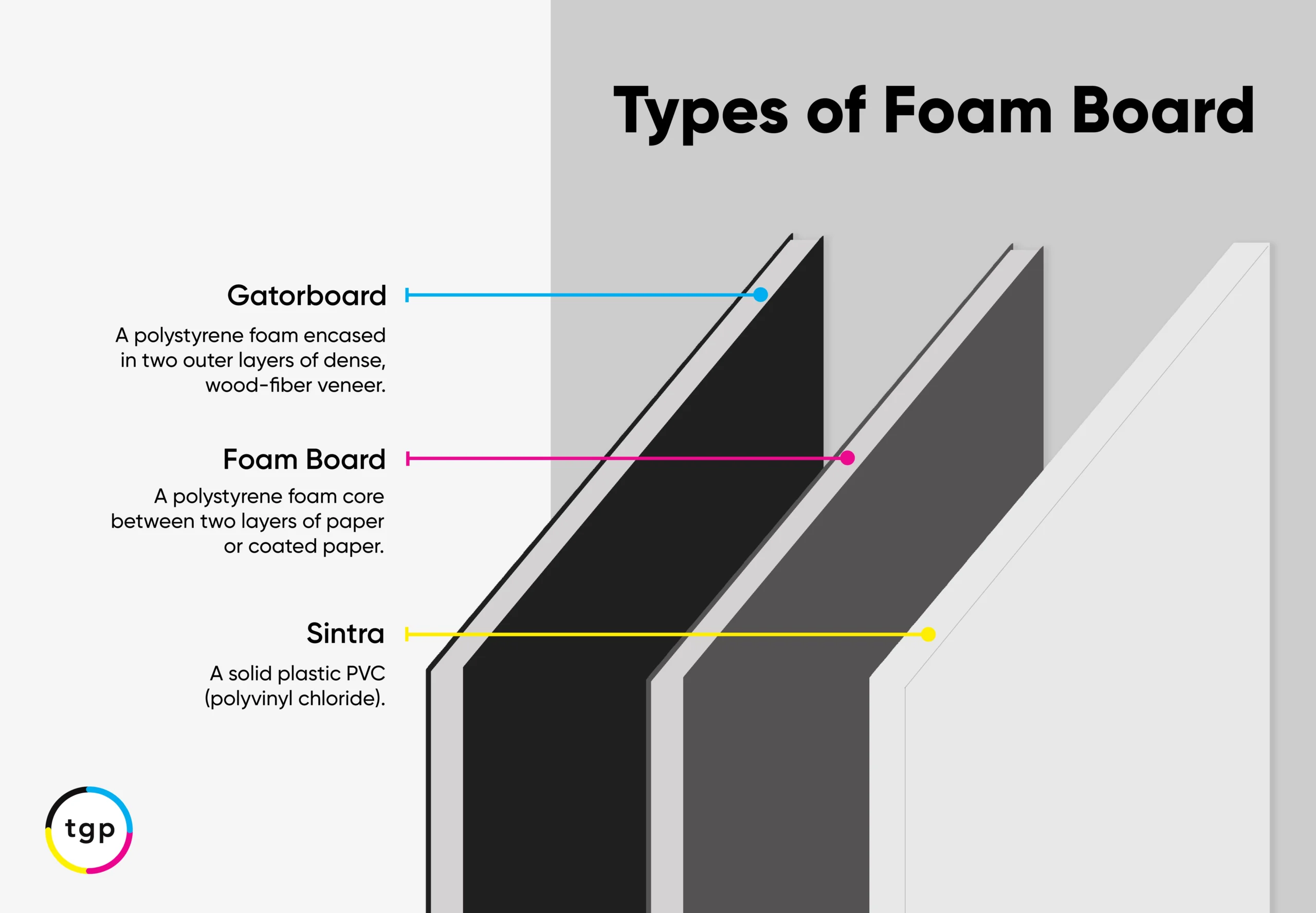
Large format printing gives you more choices after the image is printed. A poster might stay on paper, a retail sign might be mounted to foam board, a step-and-repeat may need fabric or vinyl, and an outdoor piece may need grommets, hems, lamination, or weather-aware material selection. Those production choices affect price, shipping, installation, and how long the piece will look clean.
Digital C prints are usually judged more like photographic output. Paper surface, tonal range, black density, highlight detail, and mounting method matter more than hardware. If the print will be framed, handled with gloves, installed in a gallery, or presented as fine art, the photographic paper and finishing path should be chosen around image fidelity first.
File setup checklist
- Confirm final dimensions before exporting; scaling after approval can change resolution and crop.
- Set up bleed and safe margins for any piece that will be trimmed, mounted, or wrapped.
- Use high-resolution source images and check quality at the final print size, not just on screen.
- Share viewing distance, install location, and lighting conditions so the printer can recommend material and finish.
- Flag brand colors, skin tones, deep shadows, or gradients that need closer proofing attention.
For large display graphics, a file that looks perfect on a laptop may still need adjustment once it is printed several feet wide. For digital C prints, small color and tonal differences can be more visible because viewers inspect the image up close.
How to choose the right method
Start with the final setting. If the piece needs to function as signage, branding, retail display, or event graphics, large format printing gives you more control over size, substrate, mounting, and finishing. If the piece is primarily a photograph or artwork that people will inspect up close, digital C printing may be the cleaner choice.
File preparation also changes with the method. For large format work, confirm the final size, bleed, safe area, and viewing distance before exporting. For digital C prints, start with the highest-quality image file available and avoid unnecessary compression or upscaling. In both cases, color expectations should be discussed before production, especially for brand colors, skin tones, or dark photographic areas.
Decision checklist before quoting
Before requesting a quote, write down the final installed size, quantity, viewing distance, indoor or outdoor setting, and how the piece will be handled after printing. These details determine whether the job needs paper, vinyl, fabric, board, lamination, mounting, grommets, or another finish.
It also helps to decide what cannot be compromised. A museum-style image may need photographic smoothness and careful tonal control. A retail launch sign may need durability, fast installation, and strong visibility from several feet away. A full event package may use both methods: digital C prints for framed photography and large format printing for banners, posters, wayfinding, or branded backdrops.
Production details to confirm before ordering
Once the print method is clear, confirm the production details that determine cost, durability, and schedule. For large format projects, the printer needs to know the finished size, quantity, indoor or outdoor use, viewing distance, hanging or mounting method, and whether the piece needs to ship flat, rolled, or packed with hardware.
For digital C prints, the most important details are source-file quality, final crop, paper surface, color expectations, border or no-border presentation, and whether the print will be mounted or framed after production. Those choices affect how closely the finished piece can match the file on screen.
- For storefronts and events, share photos or measurements of the installation area.
- For brand campaigns, include Pantone references or previously approved printed samples when color matters.
- For photography and artwork, confirm whether the viewer will inspect the print up close or from a distance.
- For deadlines, build in proofing time before the installation, opening, event, or delivery date.
These details prevent the common mistake of choosing a print method only by image size. The right method is the one that matches the file, environment, finish, handling, and deadline together.
Start planning your next display project
Thomas Group Printing is a fourth-generation commercial printing company in NYC. If you are comparing display graphics, photographic output, or large visual pieces, reach out to our team with the final size, quantity, timeline, installation setting, and source artwork. We can help you decide which print method will protect the look of the piece and avoid paying for the wrong production path.