When digital printing is a good fit
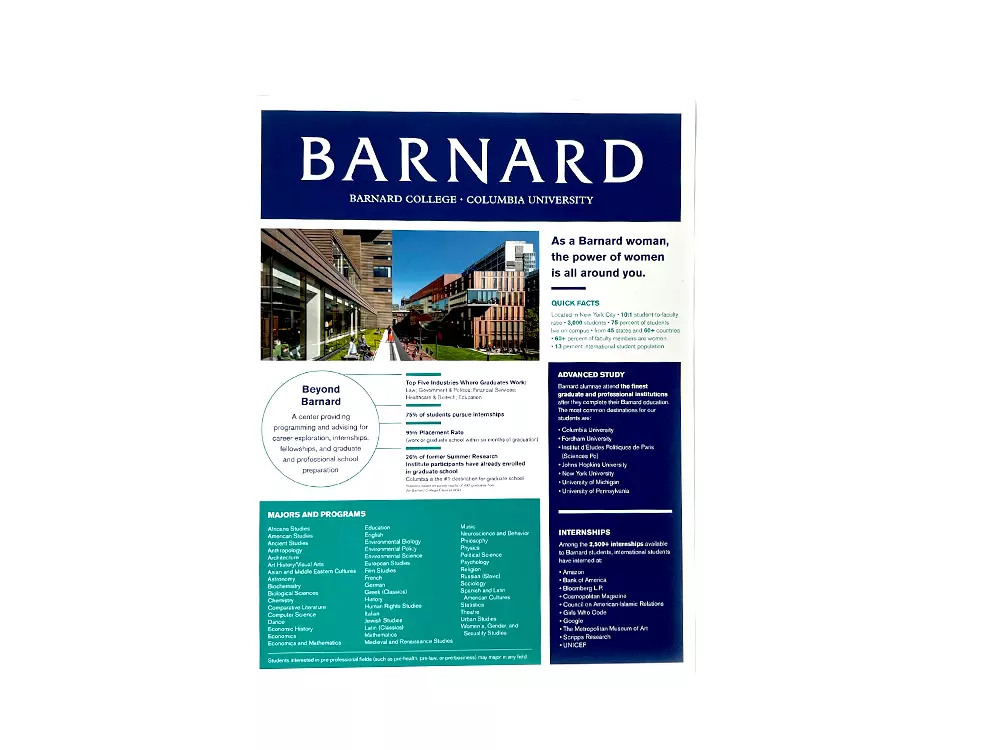
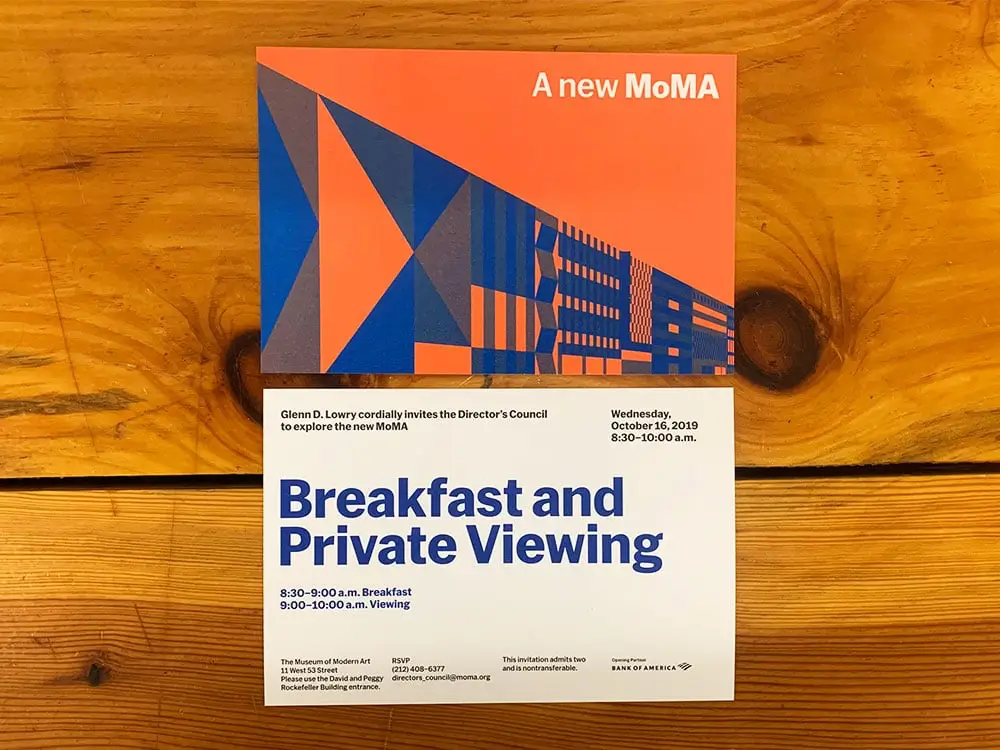
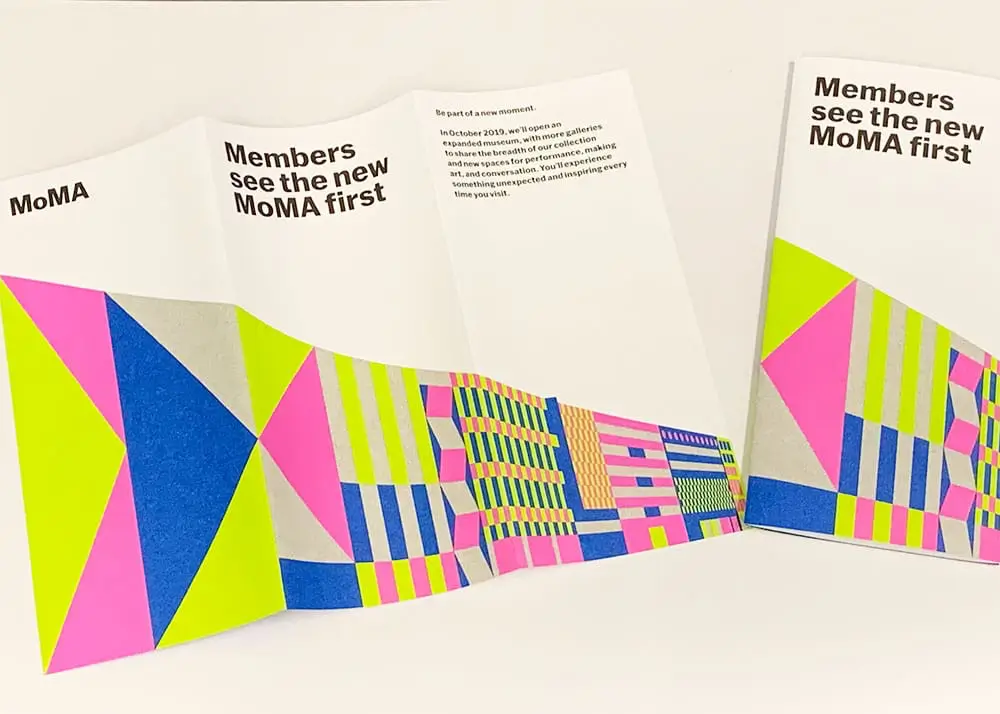
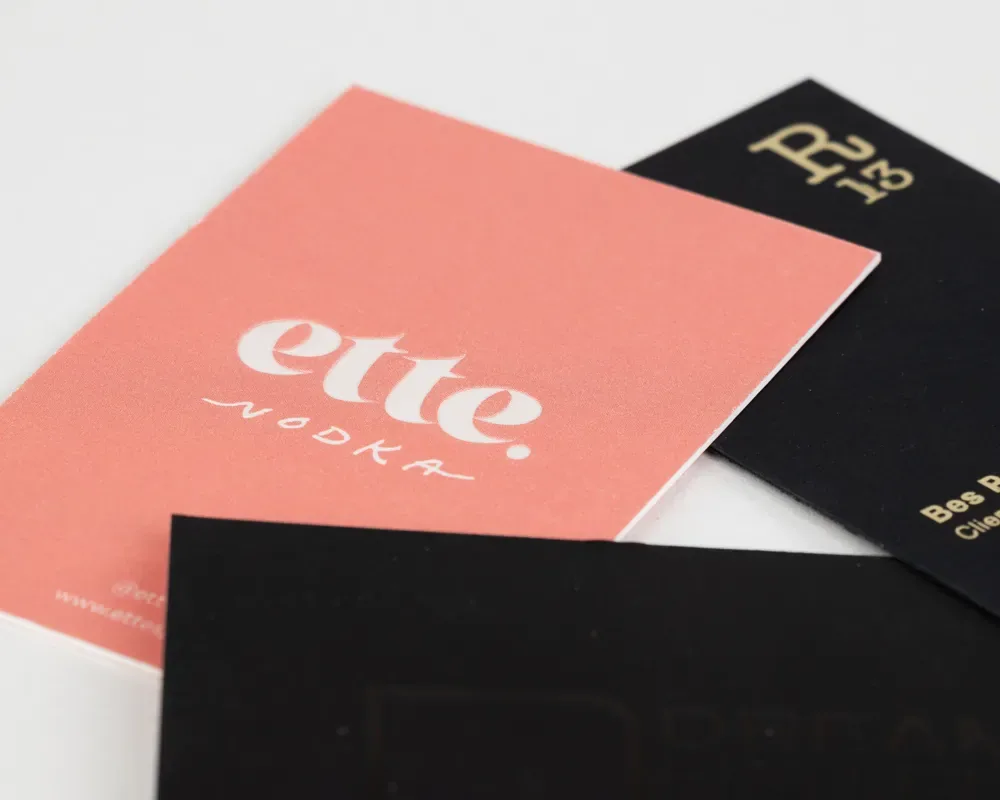
Digital printing is often the most practical production method when a commercial print project needs speed, flexibility, or a smaller quantity. Instead of making plates for every ink color, a digital press prints directly from the production file. That shorter setup path can make it a strong option for quick-turn marketing pieces, versioned handouts, event materials, short-run booklets, proof copies, and projects that may need to change again soon.
That does not mean digital printing is always the best choice. Offset printing, specialty inks, and finishing methods still matter when a project needs very high volume, exact brand-color matching, oversized sheets, unusual stocks, or premium effects. The best decision depends on quantity, artwork, paper, timeline, color expectations, and how the finished piece will be used.
The advantages of digital printing
- Short print runs are economical. Digital printing usually has less setup than offset printing, so it can be cost-effective for smaller quantities, test runs, sales samples, internal packets, and event-specific pieces.
- Turnaround is faster. Because there is no plate-making step, digital jobs can often move from approved file to finished print more quickly. That helps when deadlines are tied to trade shows, meetings, mail drops, or last-minute campaign updates.
- Versioning is easier. Digital printing works well when each batch needs a different location, date, language, offer, QR code, name, or address. This is useful for direct mail, regional sales collateral, personalized invitations, and customer-specific inserts.
- Full-color setup is simple. A digital project can include photographs, graphics, and multi-color artwork without needing a separate plate for each color. For many everyday marketing materials, that makes the process straightforward.
- Proofing and revisions are practical. If a design is still being refined, digital production can make short proof runs and small updates easier than committing immediately to a larger offset run.
The tradeoffs of digital printing
- High-volume jobs may cost more per piece. Digital printing can be efficient at lower quantities, but offset printing often becomes more cost-effective as quantities rise.
- Paper and sheet size can be more limited. Digital presses may not support every parent sheet, thick stock, textured paper, envelope, or oversized format. Some large-format, packaging, and specialty-stock projects need a different production path.
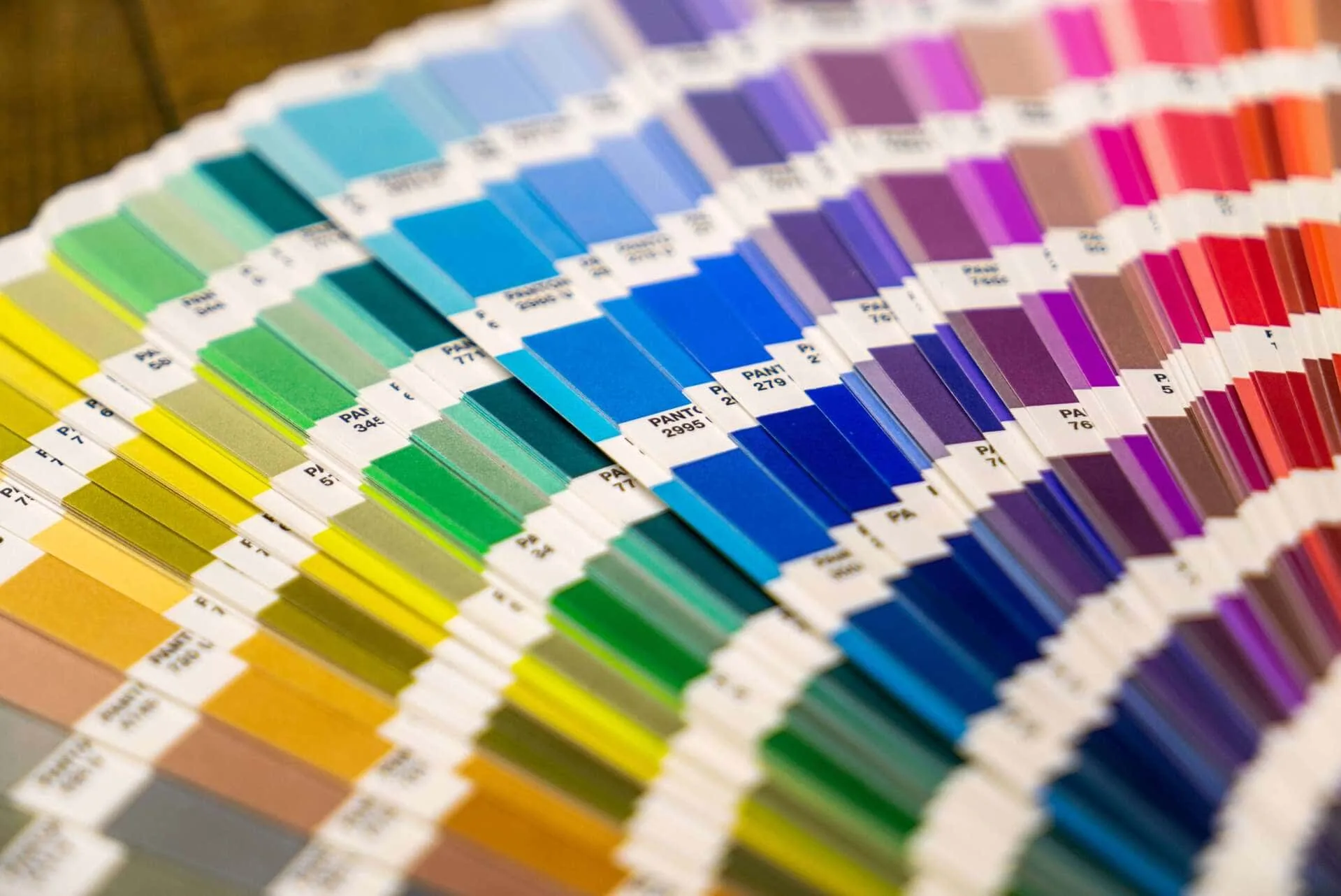
- Spot colors are usually simulated. Many digital presses reproduce color through CMYK or extended digital color instead of a dedicated Pantone spot ink. That can be fine for many projects, but color-critical brand systems may require spot printing or offset planning.
- Large solids and dark stocks need review. Heavy ink coverage, very smooth gradients, metallic effects, white ink, or light colors on dark paper can require a specific press, paper, or finishing plan.
- Outdoor exposure matters. Any ink can fade with sunlight and handling, but pieces used outdoors, in windows, or for long-term display should be planned around material, coating, lamination, and expected lifespan.
Digital printing vs. offset printing
| Project need | Digital printing | Offset printing |
| Typical strength | Fast setup, small runs, versioned pieces, proof copies | Large runs, press consistency, specialty color control |
| Best quantities | Short to medium runs where setup speed matters | Medium to long runs where unit cost matters |
| Color approach | CMYK or extended digital color, often simulating spot colors | CMYK, Pantone spot inks, and more press-specific control |
| Common products | Flyers, postcards, short-run brochures, invitations, proof books | Catalogs, magazines, large brochure runs, brand-critical stationery |
How to decide before production
Start with the finished use, not the press type. If the piece is tied to a specific meeting, event, sales cycle, or market test, digital printing may protect the deadline and keep the quantity practical. If the same piece will be ordered in a large volume, mailed broadly, or repeated for months, offset may deserve a fresh quote because setup cost can spread across the run.
Next, look at what cannot change. If exact brand color, a special paper, a larger sheet, a coating, or a finishing step is critical, those requirements may decide the process before quantity does. A digital proof can still be useful, but the final run may need offset or another production path to match the approved sample.
Finally, consider whether the artwork will keep changing. Digital printing is strongest when versioning, personalization, or late revisions are part of the plan. Offset is strongest when the file is locked, the run is larger, and consistency across many sheets matters more than quick setup.
Best projects for digital printing
Digital printing is especially useful when the job has a clear deadline, a manageable quantity, and artwork that may need to stay flexible. Product launch handouts, real estate packets, sales decks, event flyers, short-run postcards, internal training pieces, proof copies, and market-specific inserts are all common fits.
It can also support ecommerce and brand teams that need several small batches instead of one large run. For example, a campaign might need slightly different copy by city, a QR code tied to a specific landing page, or a refreshed offer after early response data comes in. Digital production keeps those changes easier to manage without treating each version like a brand-new offset job.
Questions to answer before requesting a quote
- How many finished pieces do you need now, and will you reorder the same file later?
- Does every piece use the same artwork, or do names, addresses, QR codes, locations, or offers change?
- Is the piece being handed out, mailed, bound, folded, written on, or displayed?
- Are there brand colors, photography, dark solids, or gradients that need extra proofing attention?
- Does the project need a coating, lamination, scoring, folding, drilling, or another finishing step after printing?
Those answers help determine whether digital printing is the final production method or simply the right first proofing step before a larger offset run.
How to prepare a digital print file
Good digital printing still depends on good production files. Send a press-ready PDF with the correct trim size, bleed, safe margins, embedded fonts, and high-resolution images. Use CMYK color when possible, and tell your printer if any brand colors, paper stocks, coatings, folds, die cuts, or mailing requirements are critical to the finished result.
If the project might shift from digital to offset because of quantity, color, or paper requirements, ask before the artwork is finalized. Small file choices like margin width, image resolution, rich black settings, and spot-color naming can affect the production path later.
Work with a printer before choosing the process
Thomas Group Printing is a fourth-generation commercial printer in NYC. If you are weighing digital printing against offset printing, send us the project details: quantity, deadline, finished size, paper preference, artwork goals, and delivery needs. We can help choose the production method that fits the job instead of forcing every project through the same process.