What is Print Media?
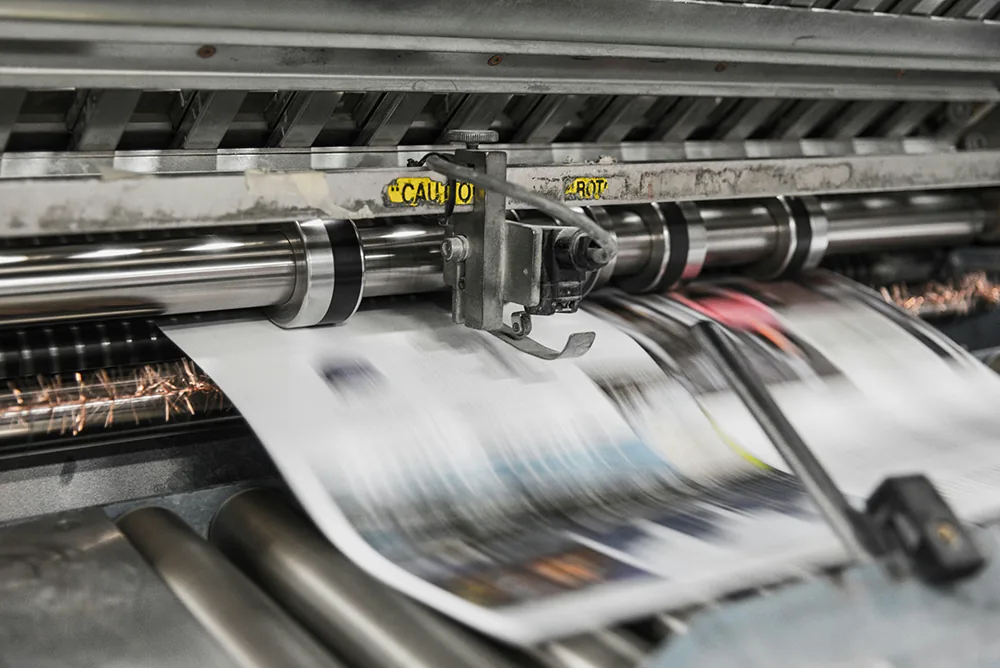
Print media is any physical piece designed to carry a message: a postcard, brochure, catalog, invitation, magazine, book, folder, business card, packaging insert, or direct mail campaign. It can be produced through digital printing, offset printing, letterpress, foil stamping, and other finishing methods depending on the scale and goal of the project.
Digital channels are essential, but they do not replace the physical role of print. A well-made printed piece gives someone something to keep, hand off, pin up, mail, review in a meeting, or return to later. That physical presence is the reason print still matters for launches, sales conversations, events, fundraising, recruiting, hospitality, retail, and brand storytelling.
The best print campaigns are not built in opposition to digital marketing. They work alongside it, giving a campaign a tactile anchor that can point readers back to a website, showroom, event, QR code, sales team, or follow-up offer.
Pros and Cons of Print Media
Print is often underestimated, but there are multiple ways where it still shines:
- Print gives people permission to unplug. With more and more ads bombarding people on search engines and social media, people are choosing to disconnect from screens and engage in print media instead.
- Print is a traditional advertising method that’s coming back. Print cuts through the white noise of digital ads and gives current and potential customers something tangible to hold, feel, and read, which is an experience that now stands out from the norm.
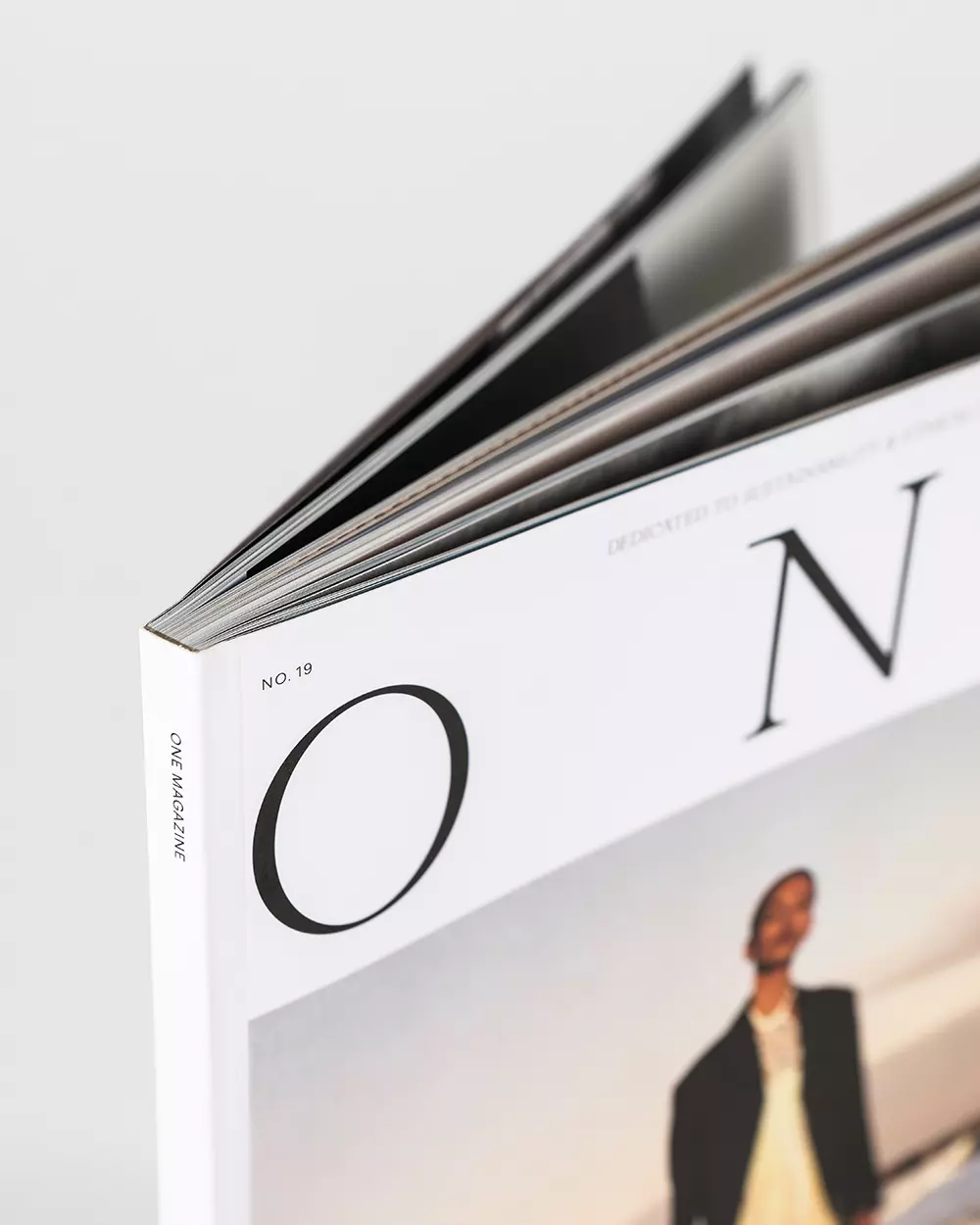
- Print is uniquely you. Online media does not offer the same paper texture, dimensional finish, color density, shine, opacity, or binding choices that can help companies define themselves in a competitive world.
- Print supports focused review. A printed proposal, lookbook, catalog, or annual report can be read away from browser tabs and notifications, which makes it useful for high-value decisions.
On the other hand, choosing print media can also have some drawbacks:
- More planning. Developing an online design and concept into a print ad can take more time to set up, print, and distribute.
- Potentially more expensive. Print can also be more costly depending on the project type and volume.
- Clear communication. From setup to finishing, print ads require clear and consistent communication with the printer and the right amount of lead time to allow the printer to create the best results.
These extra steps can deter businesses from going through with print projects, but the end result of a successful print campaign can be well worth the time it takes to do correctly.
Types of Print Media
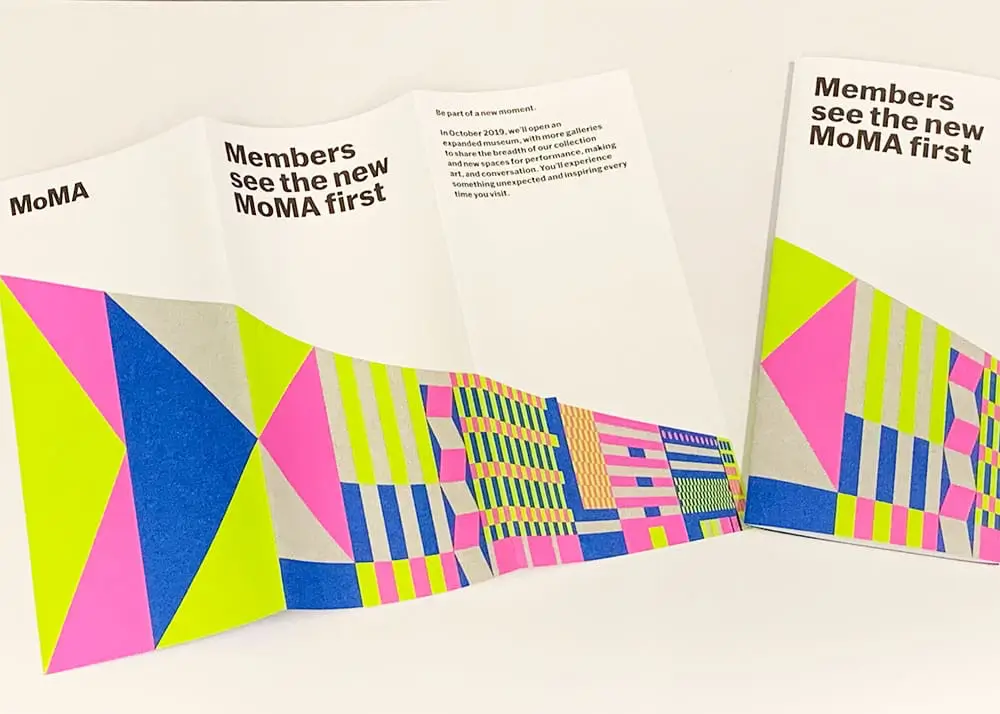
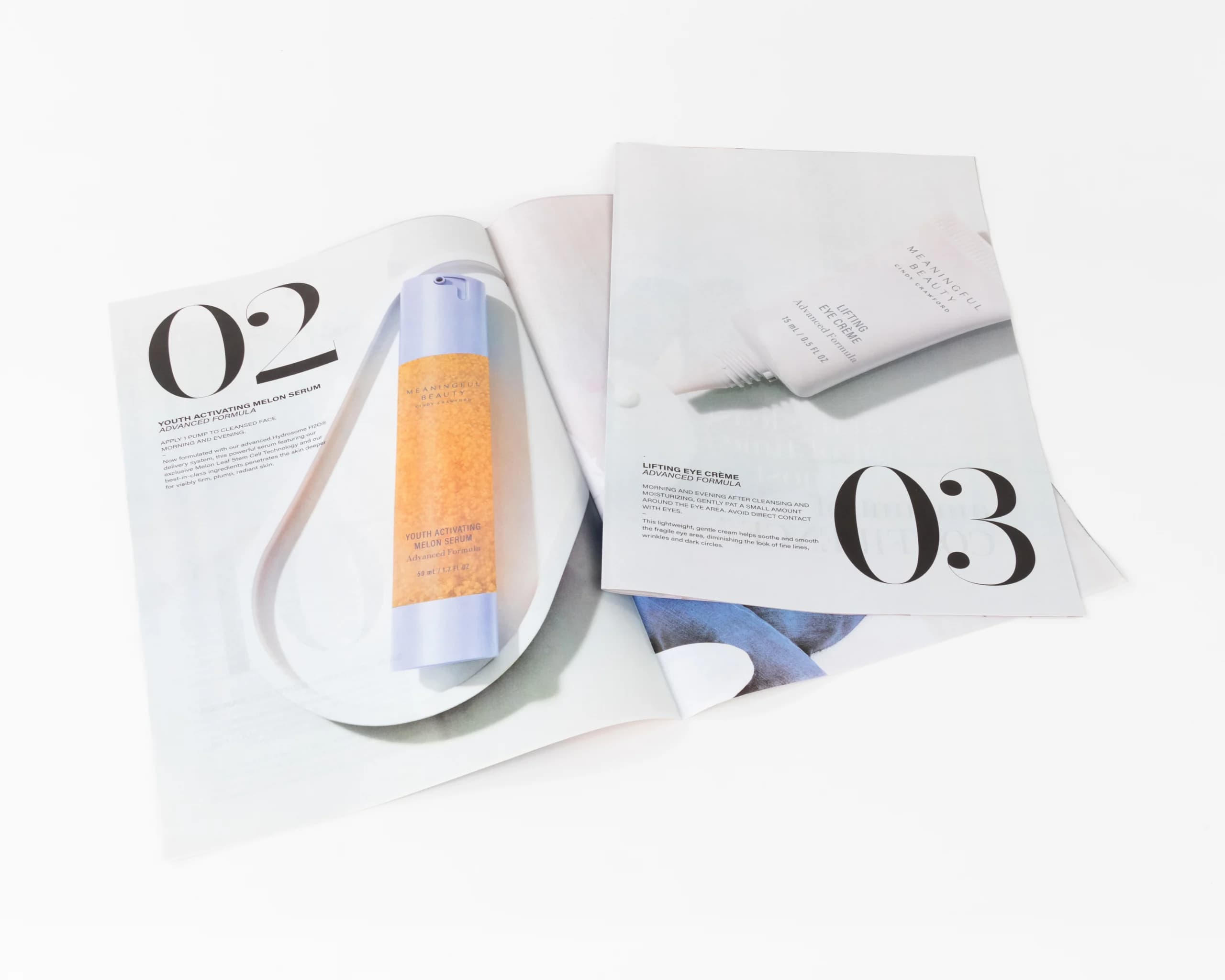
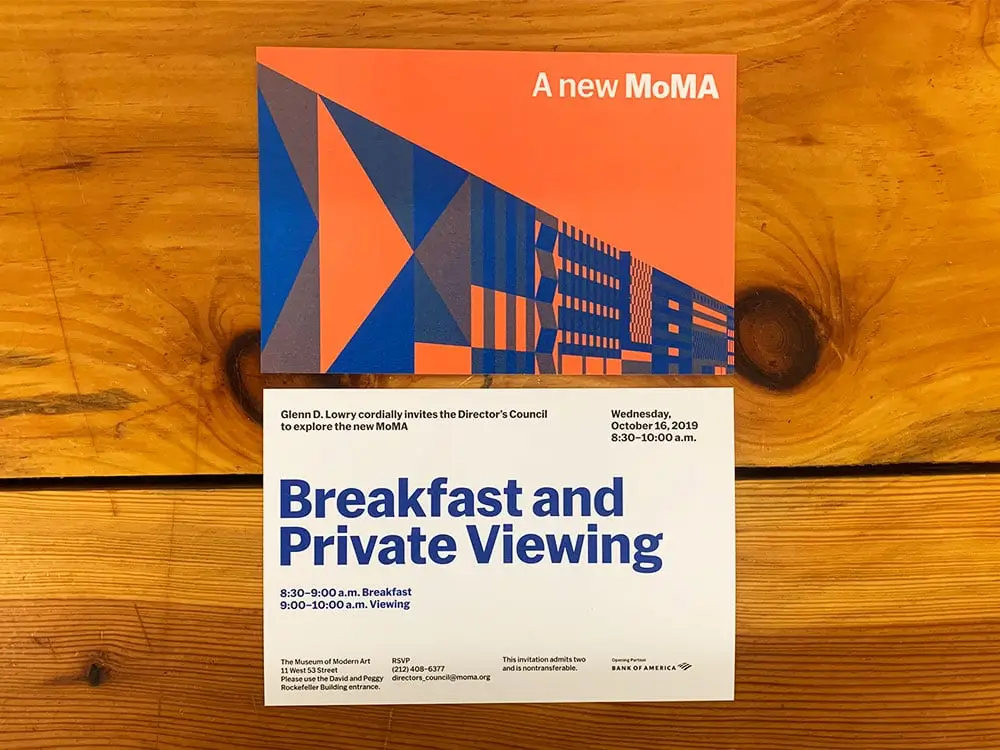
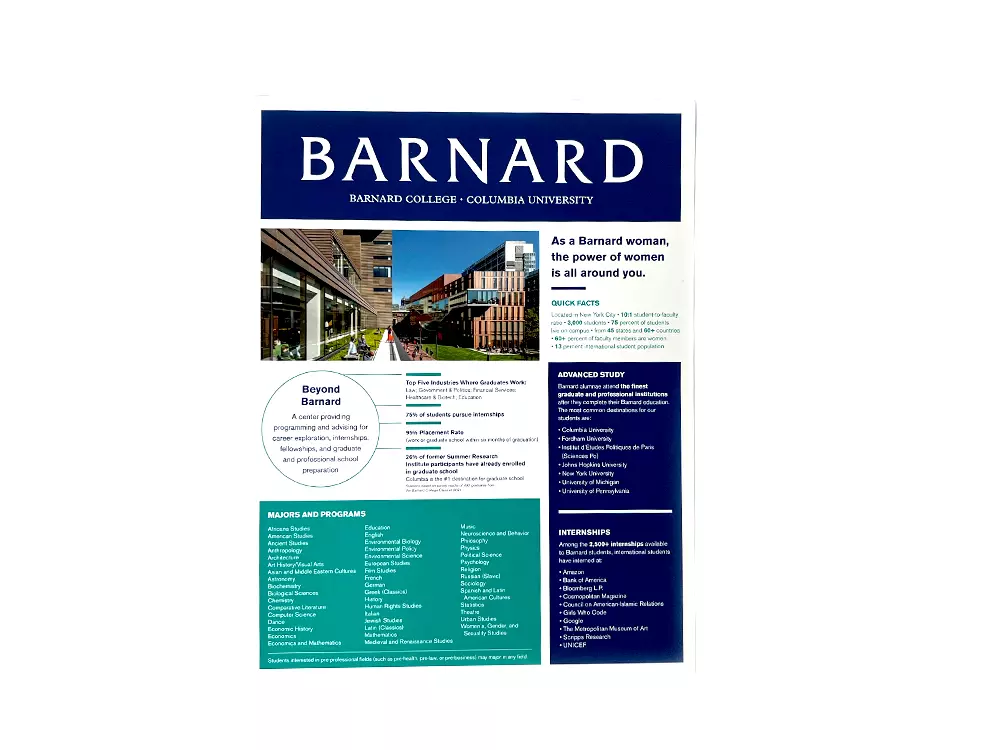
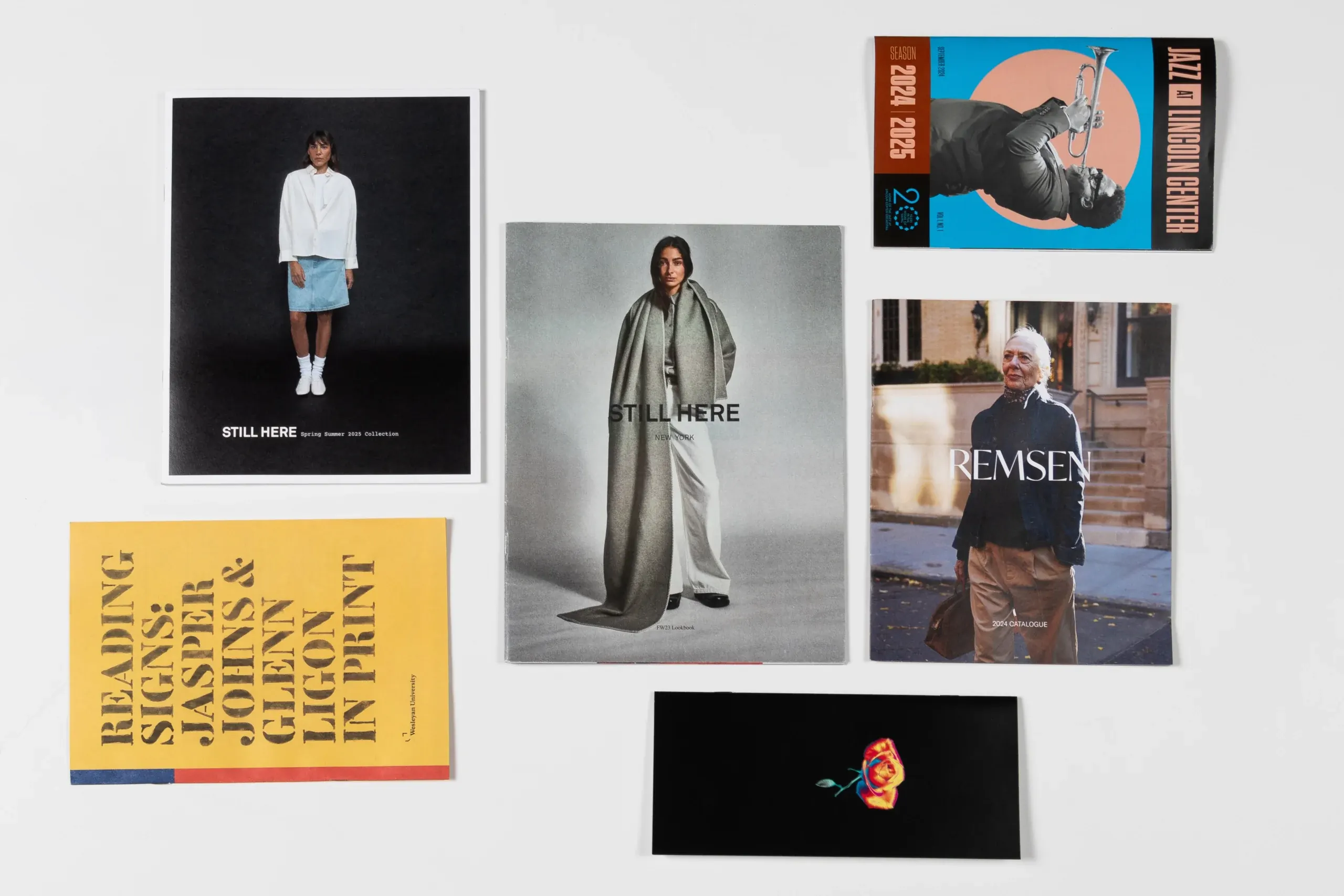
Traditionally, print media has included newspapers, magazines, and books. Modern commercial print also includes smaller projects such as invitations, business cards, postcards, folders, sell sheets, and packaging, along with larger works including catalogs, reports, journals, lookbooks, and bound books.
Each format has a different job. A postcard can announce a sale or event quickly. A brochure can explain a service. A catalog can help a buyer compare a full collection. A printed book, report, or lookbook can slow the reader down and give a brand more room to explain its point of view.
When Print Earns the Budget
Print is strongest when the message needs more staying power than a screen impression. It is especially useful when the recipient needs to compare products, remember a date, bring information into a meeting, save a premium offer, or physically experience a brand before making a decision.
For quick reach, teams often use postcards, flyers, rack cards, or event handouts. For deeper explanation, brochures, catalogs, magazines, books, and presentation folders give the audience more room to evaluate the offer. For premium moments, paper weight, color, binding, coating, foil, embossing, and packaging can communicate quality before the reader reaches the first sentence.
A useful way to decide is to ask what the printed piece must do after it leaves your hands. If it needs to survive a sales call, sit on a counter, move through the mail, support a trade show conversation, or help a buyer compare options, print can earn its place. If the message is temporary, frequently changing, or purely transactional, a digital touchpoint may be enough.
How Print Works With Digital Campaigns
Print performs best when it has a clear job in the broader customer journey. A direct mail piece might drive someone to a landing page. A product insert might support retention after a purchase. A sales kit might prepare a buyer for a meeting. A trade show handout might keep the conversation alive after the booth visit ends.
Because print has production steps, it also rewards planning. Confirm the audience, quantity, mailing or handout plan, call to action, paper, folds, binding, and finishing before artwork is finalized. If your project has photos, brand colors, or premium paper, review proofing and color expectations early. Our guides to communicating with your printer and reviewing print proofs can help avoid avoidable revisions.
Choosing the Right Print Format
The right type of print media depends on what the recipient should do next. For quick awareness, use compact and easy-to-share pieces like postcards, flyers, or cards. For education and comparison, use brochures, booklets, catalogs, and magazines. For premium brand moments, consider heavier paper, foil stamping, embossing, letterpress, soft-touch coating, or custom packaging.
If your current project plan is not included in this list, that does not mean it is impossible. Consulting a professional printer can help you get the project off the ground while bringing material, production, and finishing expertise to each detail along the way.
Print is Still Alive
Despite what the naysayers claim, print is still very much alive and well, and there is room for print campaigns in a modern marketing plan. Pairing print with digital ads can support long-term recall, give important messages more weight, and help your business stand apart from competitors that only show up on screen.
Thomas Group Printing works with teams that need print to look polished, feel intentional, and support a real business outcome. If you are deciding whether print belongs in your next campaign, send us the project details and we can help match the format, paper, and production method to the goal.