What is foil stamping?
Foil stamping, also called foil printing or hot foil stamping, is a finishing process that uses heat, pressure, a custom die, and a thin foil film to apply metallic, pigment, holographic, or specialty detail to paper or packaging. The result is a crisp area of shine, color, or texture that sits on top of the printed piece.
Foil is most useful when a project needs a premium focal point: a logo, title, border, pattern, seal, invitation text, packaging detail, or small design accent. It is not meant to replace every printed color. It works best when used deliberately, with enough contrast and space around the stamped area.
How the foil stamping process works
Most foil stamping jobs start with a separate foil artwork file. The area to be stamped is usually supplied as a solid black shape, separate from the CMYK print artwork, so the production team can make a die and position the foil correctly.
The die is etched with the foil shape. During production, the die is heated and pressed against the foil and paper. Heat and pressure transfer foil only where the die touches the sheet. The unused foil pulls away, leaving the finished detail bonded to the surface.
Because the die has to be made before production, foil stamping usually adds setup time and cost. That setup can be well worth it for high-impact pieces, but it is important to plan the finish before the design is final. Last-minute foil changes can affect layout, paper choice, proofing, and turnaround.
Why add foil to a print project?
Foil creates contrast that ordinary ink cannot always match. Metallic gold, silver, copper, white, matte pigment, holographic, and clear gloss foils each create a different impression. A small foil detail can make a simple piece feel more intentional without making the entire design visually loud.
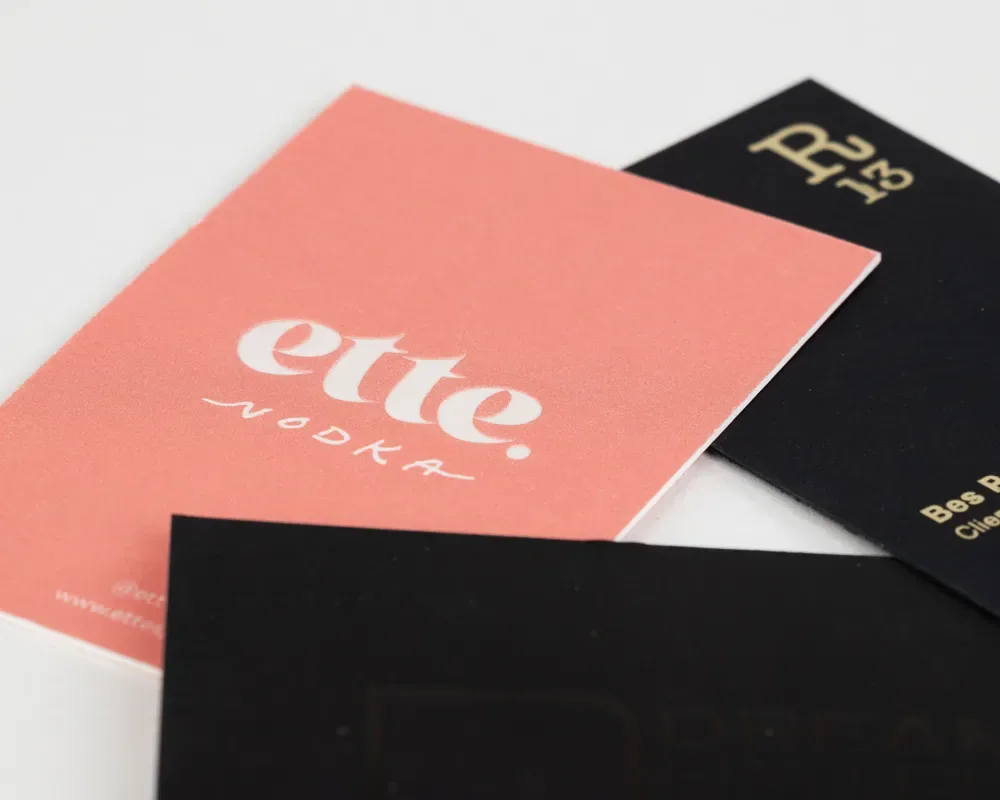
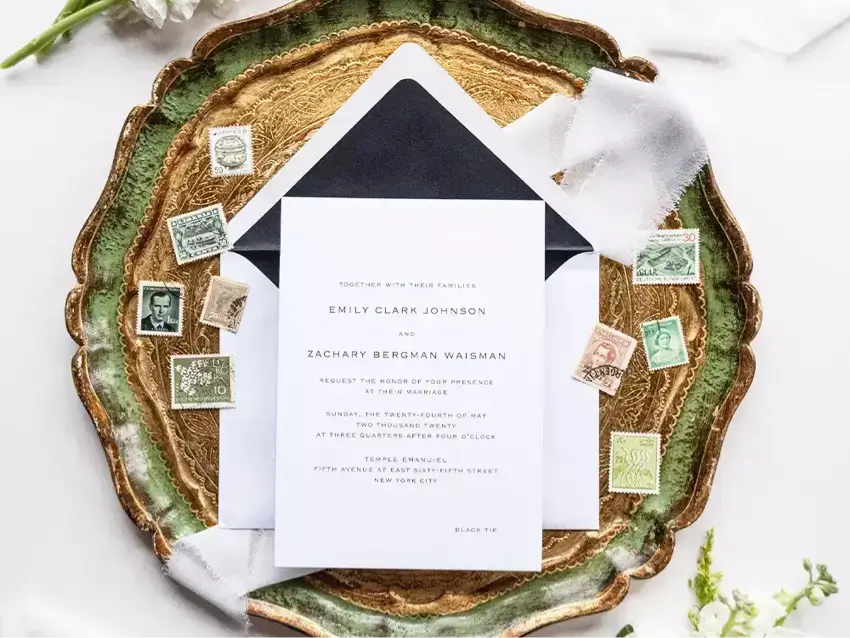
Foil can also help direct attention. On a business card, it can emphasize a logo or name. On invitations, it can make names, dates, borders, or monograms feel more formal. On packaging, it can pull the eye to the brand mark or product name before a customer reads the rest of the copy.
When foil is worth the extra setup
Foil is usually worth considering when the finish supports a specific business goal. A premium invitation may need a formal first impression. A product label may need shelf contrast. A presentation folder may need to feel more permanent than a standard handout. A limited-run card or package may justify the die cost because the finish becomes part of the brand experience.
Foil is less useful when the artwork changes constantly, the budget is tight, the deadline leaves no room for die making, or the design depends on very small detail that will not stamp cleanly. In those cases, metallic ink, a gloss varnish, a richer paper, or a cleaner print design may create a better result with less production risk.
The best choice depends on quantity, stock, finish, deadline, and how the piece will be handled. If the item will be mailed, folded, laminated, embossed, or die cut, the foil plan should be checked alongside those steps before production starts.
Best uses for foil stamping
- Invitations and event materials. Foil can elevate names, dates, monograms, borders, or RSVP cards.
- Business cards and stationery. A restrained foil logo or detail can make brand materials feel more polished.
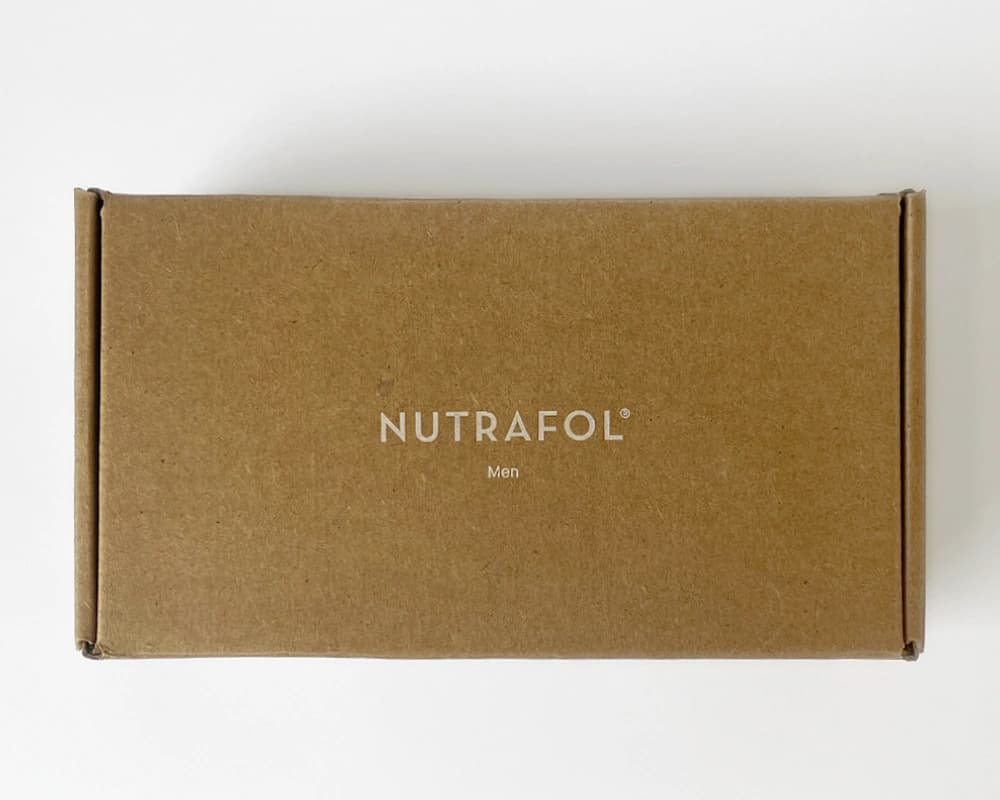
- Packaging and labels. Foil helps product names, seals, and brand marks stand out on shelves or in mailers.
- Folders, reports, and presentation pieces. Foil can add a premium touch to covers without changing the entire print method.
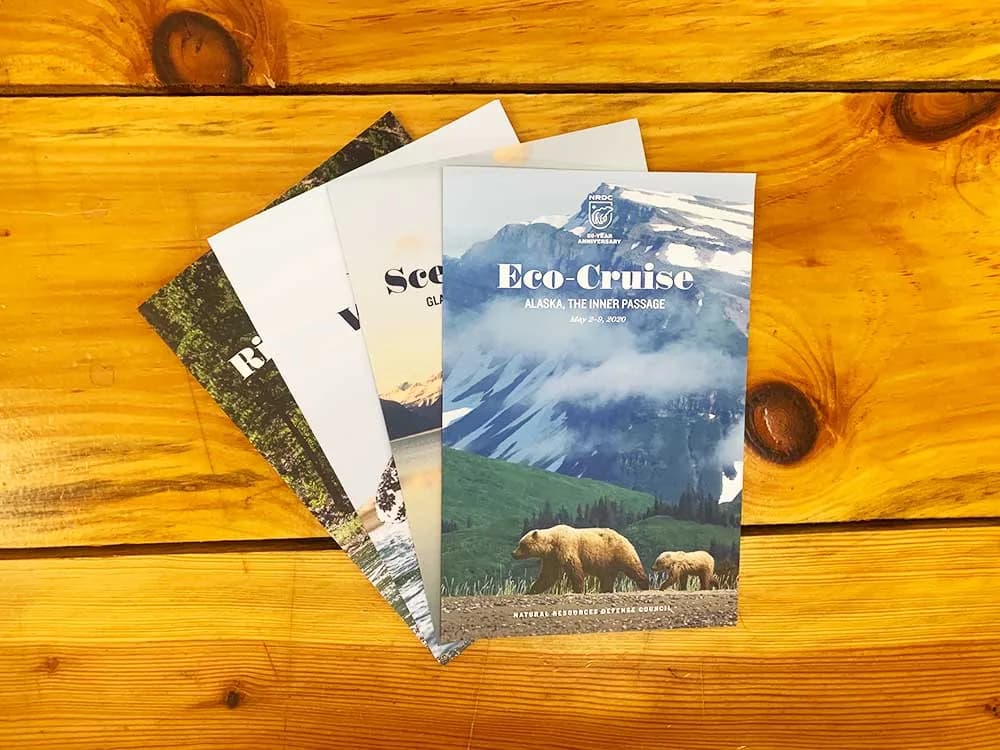
- Brochures, booklets, and promotional pieces. Foil works well on covers or short-run pieces where the first impression matters.
Design details that affect foil quality
Foil stamping rewards simple, confident artwork. Very small type, thin hairlines, tight gaps, and highly detailed textures may fill in or break up depending on paper, die, foil, and pressure. If the design needs fine detail, share the art early so the production team can confirm whether it should be adjusted.
Registration also matters. If foil has to line up exactly with printed ink, leave realistic tolerances in the design. A tiny shift that is invisible on a simple logo can become obvious if foil is expected to trap perfectly inside a thin printed outline.
Paper choice changes the result. Smooth coated sheets tend to hold crisp foil detail, while textured or uncoated papers can create a softer, more tactile effect. Neither is automatically better. The right stock depends on whether the goal is sharp luxury, handmade texture, or something in between.
Foil stamping vs. metallic ink
Foil stamping and metallic ink are not the same. Metallic ink is printed like an ink and can be useful for larger or more flexible areas of color. Foil is transferred as a film and usually creates a stronger shine, cleaner edge, and more dimensional effect. Foil also requires a die, so it is better suited to defined shapes than constantly changing variable artwork.
If the project needs a subtle shimmer across a large field, metallic ink may be worth discussing. If the project needs a crisp premium logo, headline, border, or accent, foil stamping is often the stronger choice.
File setup checklist for foil stamping
- Keep foil artwork on its own layer or in a separate file.
- Use solid vector shapes where possible, not low-resolution raster art.
- Name the foil swatch or layer clearly, such as Gold Foil or Silver Foil.
- Include bleed and trim in the main print file, and mark the foil position clearly.
- Avoid ultra-thin lines and tiny reversed-out details unless the printer approves them.
- Confirm paper, coating, embossing, die cutting, or lamination before locking the foil plan.
Plan foil early
Foil stamping can make a print project feel more premium, but it works best when the finish is part of the production plan from the beginning. Send the size, quantity, paper preference, foil color, artwork, and deadline early so the die, proofing, and finishing schedule can be mapped correctly.
At Thomas Group Printing, we are a fourth-generation commercial printing company in NYC. If you are considering foil for your next piece, reach out to our team with the project details. We can help decide whether foil stamping, metallic ink, embossing, coating, or another finish will produce the result you want.